Fitness Tips
So You Want to Be a Personal Trainer? The Real Deal on PT Education 🎓💪
Sep
Being a personal trainer is more than shouting “One more rep!” or filming gym selfies (though both have their moments). Great PTs combine exercise science, coaching skills, and people-first communication to guide clients towards their goals safely and effectively.
Let’s pull back the curtain on what makes PT education work — and how the fitness industry is levelling up.
Why PT Education Matters More Than Ever
With fitness apps, YouTube workouts, and TikTok influencers all throwing advice at people, clients need trainers who can do two key things:
- Cut through the noise with evidence-based knowledge
- Coach humans, not robots (aka adapt to real life, motivation swings, and those “I had pizza and wine last night” confessions).
PT education is where those skills are forged. Without it, we’re just guessing in the squat rack.
What a Strong PT Education Should Cover
| Topic | Why It Matters | What Learners Need |
|---|---|---|
| Anatomy & Physiology | You can’t train a body you don’t understand | Basics of muscles, bones, heart, lungs |
| Exercise Science | Prescribing reps, sets, rest with purpose | Knowledge of strength, endurance, flexibility, power |
| Nutrition Fundamentals | Clients will always ask: “What should I eat?” | Evidence-based advice within PT scope (not fads!) |
| Coaching & Communication | Motivation, habit change, empathy | Behaviour change strategies, listening skills |
| Business Skills | PT is also a business! | Marketing, client management, retention |
| Special Populations | Not every client is 25 and athletic | Working with older adults, beginners, post-injury (within scope) |
What the Evidence Tells Us
- Exercise science & resistance training: The American College of Sports Medicine (ACSM) guidelines stress resistance training at least twice weekly for all major muscle groups, plus cardio, mobility, and functional movement. A PT should know how to translate those guidelines into real workouts.
- Nutrition: Position stands (e.g. from the Academy of Nutrition and Dietetics) highlight that PTs can guide general healthy eating habits but must know their scope and refer to dietitians for clinical advice.
- Behaviour change: Systematic reviews show that interventions using behaviour-change techniques (goal setting, self-monitoring, social support) significantly improve exercise adherence. PTs need these skills as much as squat cues.
- Continuing education: Research into fitness professionals shows those who keep learning (CPD, workshops, advanced certs) deliver better outcomes and maintain higher client retention. Education isn’t a one-and-done deal.
Common Pitfalls in PT Education (and How to Avoid Them)
- Over-reliance on “bro science”: Just because a shredded guy in the gym swears by 100 push-ups before bed doesn’t make it gospel. Learn to check sources.
- Ignoring psychology: Knowing sets and reps is easy. Motivating someone to show up after work is the real magic.
- Skipping business skills: Too many great coaches burn out because they can’t find or keep clients. Business is part of the job.
- One-size-fits-all programming: Cookie-cutter plans don’t cut it. Education should stress individualisation.
Mike Foster Fitness: Walking the Talk
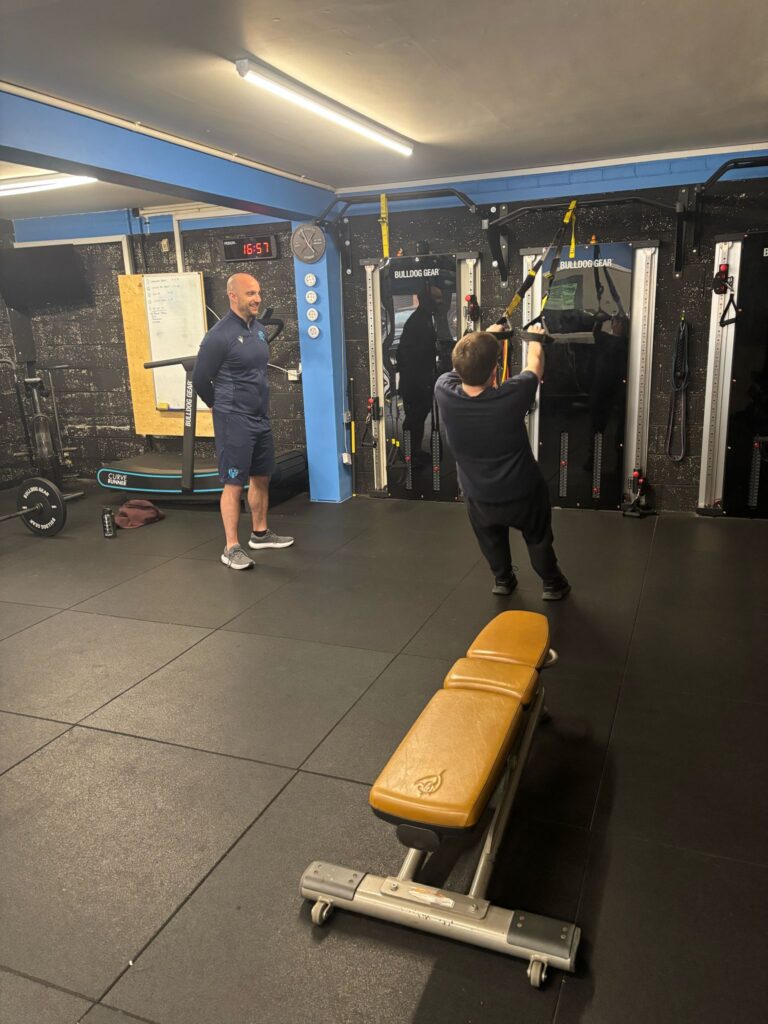
At Mike Foster Fitness, we don’t just train bodies—we educate people. That includes mentoring aspiring PTs and creating content that bridges the gap between science and the gym floor.
If you’re curious how we coach in action, check out this video:
👉 1-2-1 Personal Training at Mike Foster Fitness
Final Thoughts
Personal Training Education is about blending science with art:
- Science gives us the frameworks (progressive overload, macronutrient needs, energy balance).
- Art is how we deliver it (coaching style, communication, fun).
If you’re considering becoming a PT (or levelling up your practice), remember: learn the evidence, keep learning, and don’t forget that clients need you—your empathy, humour, and guidance—as much as they need sets and reps.
